I study how industry structure and business practices impact worker well-being, particularly occupational safety. My research focuses on sectors with prevalent non-standard employment relationships including the construction and trucking industries. My approach combines empirical analysis of novel datasets with detailed industry knowledge.
A central lens I bring to my labor market research is David Weil’s idea of fissured workplaces. Contemporary workplaces are increasingly fissured. The people making goods and services are often not directly employed by the firms selling and marketing them. By outsourcing employment to smaller subordinate firms, large firms also outsource the risks and liabilities of being an employer. These smaller firms often face greater economic pressure to cut corners on safety and compensation. My work describes fissured workplaces, quantifies their impact on workers, and informs policy alternatives.
I am currently a NIOSH-funded postdoctoral researcher at the Rocky Mountain Center for Occupational and Environmental Health at the University of Utah. Some of my in progress work includes:

Trucking Safety and Industry Structure
I collaborate with Michael Belzer and Walter Ryley on projects examining how industry structure and business practices affect pay, retention, and safety in the trucking industry. Recent published work shows that the pay-safety relationship in intrastate trucking is attenuated during periods of labor market slack and heightened cost pressures. Ongoing work examines the impact of the Electronic Logging Device mandate on unsafe driving violations and crashes, and benchmarking of the FMCSA’s existing Safety Management System.
Construction Safety and Subcontracting
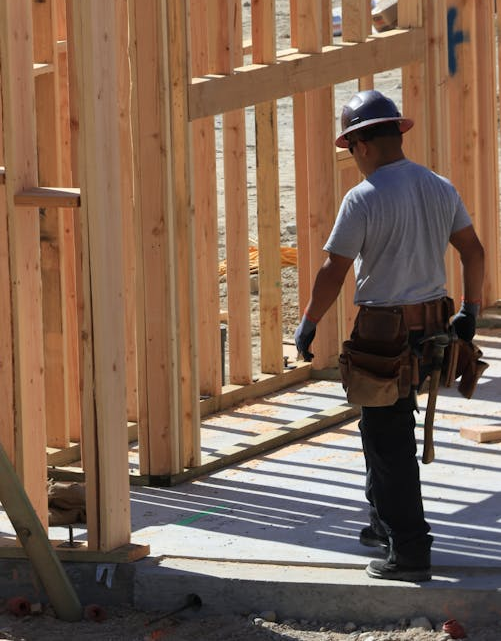
Working with Peter Philips and other collaborators on a Center for Construction Research and Training (CPWR) funded project, I use restricted Census Bureau and Bureau of Labor Statistics data within a Federal Research Data Center (FRDC) to study injuries in the construction industry. Our work shows that down-chain contractors experience significantly higher injury rates and is the first large-scale quantitative assessment of this relationship. This work is currently under review.
Procurement in Public Construction and Prevailing Wages
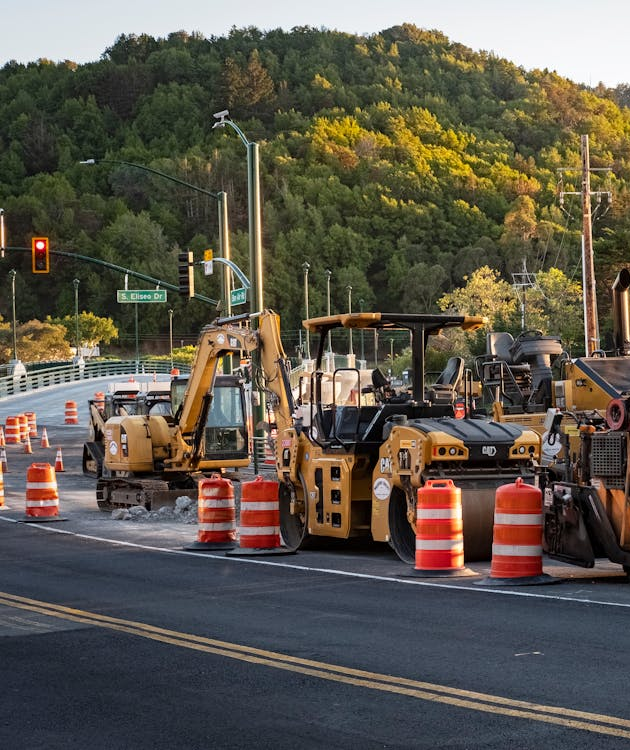
Peter Philips and I have examined procurement practices in California public construction, including the prevalence and structure of project labor agreements. Related work investigates the impact of recent state prevailing wage law changes on construction worker earnings
Publications
Academic Papers
Conner, K., W.Ryley, and M.Belzer. 2026. “Intrastate Truck Driver Pay and Safety: A Longitudinal Analysis.” Industrial Relations: A Journal of Economy and Society 1–17. https://doi.org/10.1111/irel.70030.
Conner, K., & Philips, P. (2025). Who Uses Project Labor Agreements?. Public Works Management & Policy, 30(3), 365-386. https://doi.org/10.1177/1087724X251315726.
Peer Reviewed Research Briefs
Conner, K., Duncan, K., Philips, P., Prus, M., Purifoy, F., & Waddoups, J. (2024). Measuring Injuries Along the Subcontracting Chain in the US Construction Industry. https://www.cpwr.com/wp-content/uploads/SS2024-measuring_injuries_along_subcontracting.pdf
Dissertation
Conner, K. L. (2022). App-Based Hardship: Three Essays on Precarity and Participation Among United States Gig Workers. https://search.proquest.com/openview/b59c427c8f8927676ef9d9cc2bd8aee4/1?pq-origsite=gscholar&cbl=18750&diss=y.